THE STERLING OAK
A Centuries-Old Oak at a Crossroads in Sterling Heights, Michigan
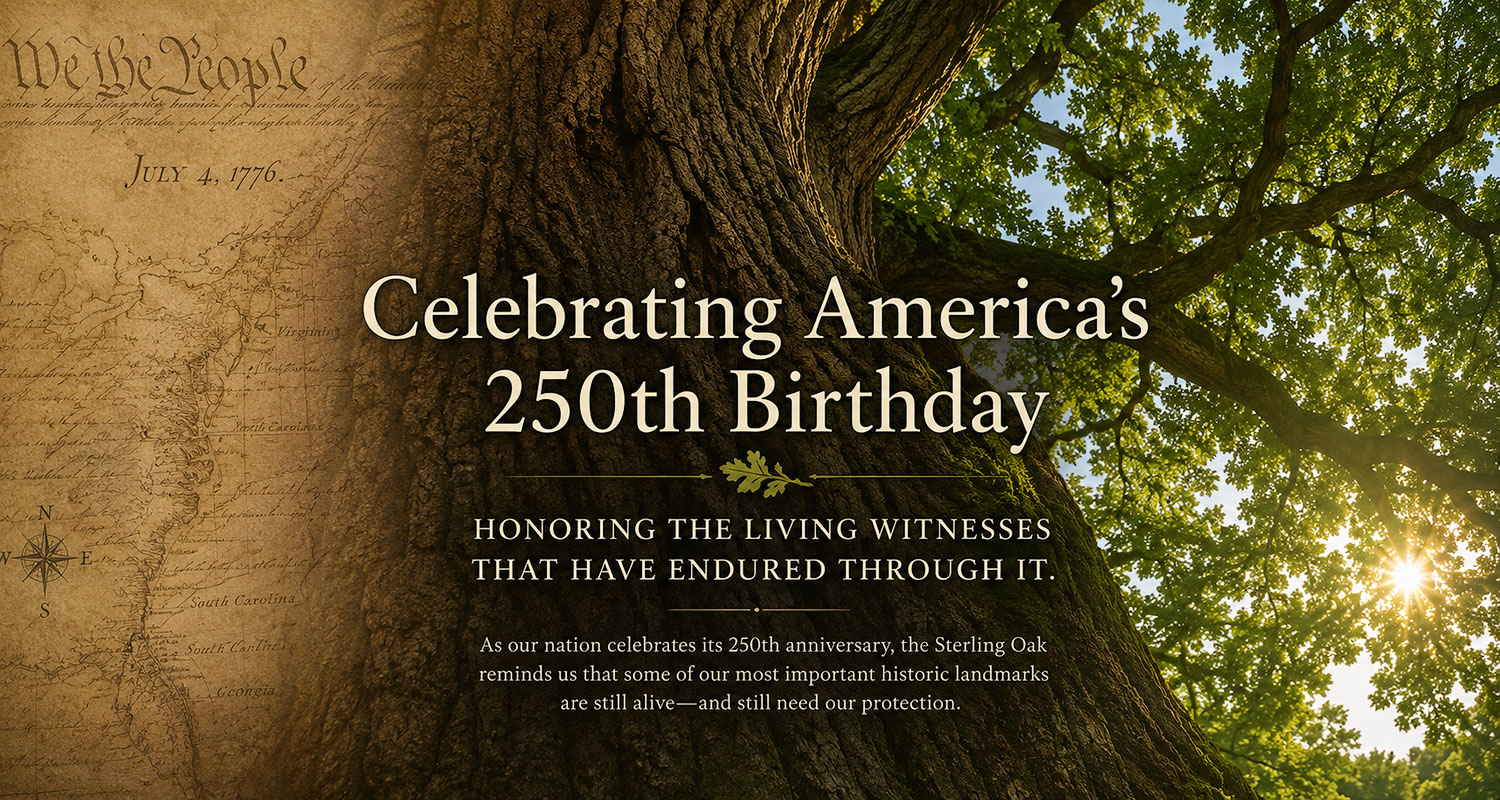
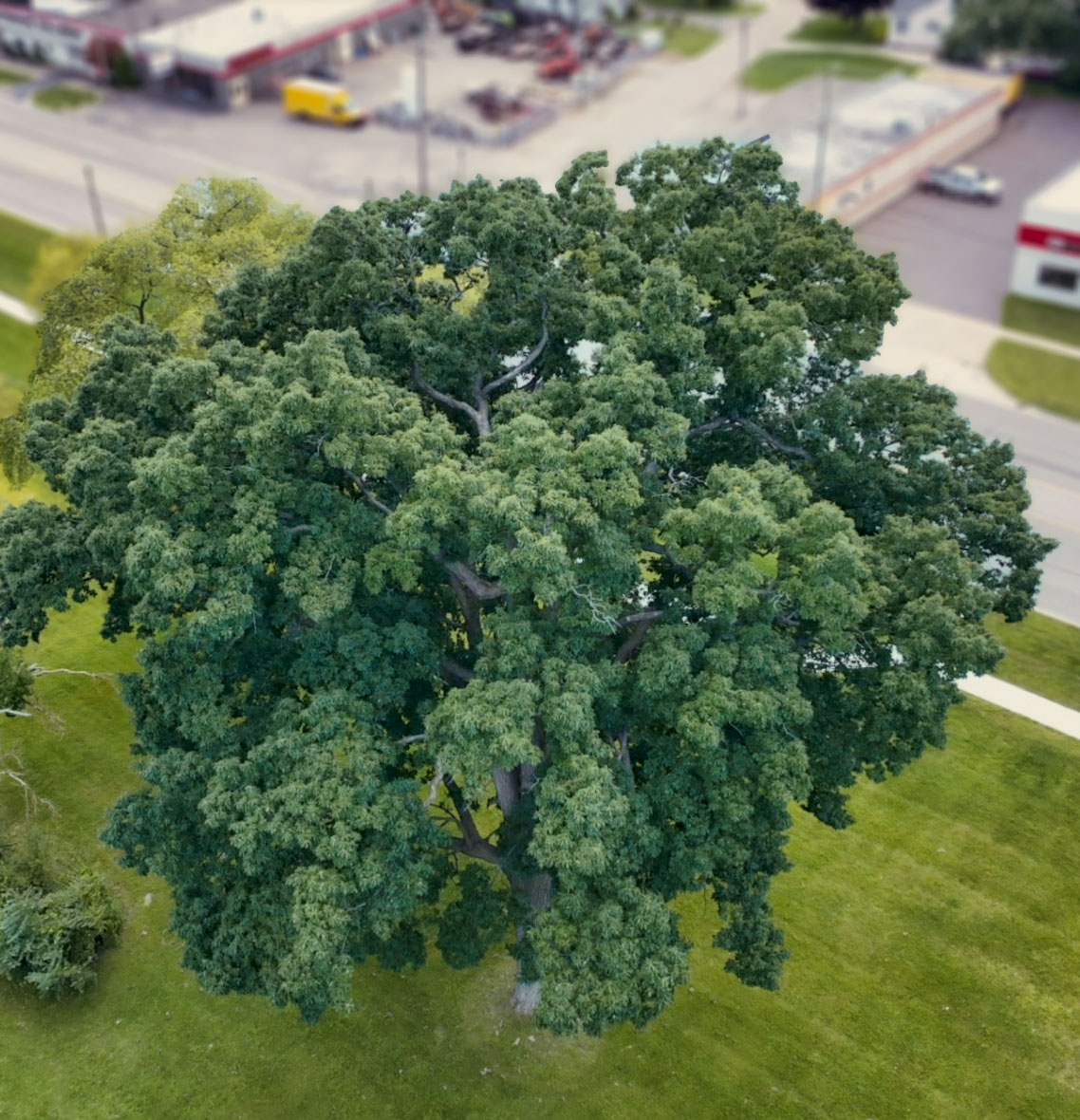
The Sterling Oak is one of Michigan’s largest known Chinquapin Oaks, growing in a floodplain forest along the Clinton River in Sterling Heights, Macomb County, Michigan. This site documents the tree, its surrounding habitat, the proposed development, and the local government decisions and policies affecting its future—and the future of the surrounding ecosystem and other majestic trees like it. The Sterling Oak stands at an ecological crossroads, raising a larger question about what meaningful preservation looks like.
CURRENT STATUS · OCTOBER 2026
Public Hearing for Revised Development Plans
November 4, 2026 – Sterling Heights City Hall, 7 pm
Read our post on preservation →
A Historic and impressive natural landmark
This site has a lot of information and history, but if you’d like to skip to the petition, you can use the button below.
Residents created the Sterling Oak site to document this remarkable tree, its surrounding habitat, and the decisions affecting its future. It also highlights the broader value of preserving the remaining natural areas along the Clinton River corridor.
Help give a voice to this historical tree that doesn’t have one.
| Species | Chinquapin Oak (or Chinkapin) Quercus muehlenbergii |
| Ecological Importance | Keystone species |
| Size Specs | DBH 53.4″ at certification (53.7″ 2025) Height: 88 ft (2024) Crown Spread: 84.5 ft (2024) |
| Michigan Big Tree Rank | 7th* (of its species, 2024) |
| Age | Centuries-old, likely older than the U.S. ~ estimated 264 yrs+ |
| Habitat | Clinton River Watershed floodplain forest; 44 other landmark trees, 6 wetlands, hundreds of smaller trees on a 10.198-acre parcel, roadside portion mowed by City contractor |
| Location | Google Maps | Apple Maps |
Why This Matters
With background information, residents can ask their representatives more thoughtful, informed questions. Here are key terms and reasons to preserve this rare old oak and understand the broader loss of mature trees, wetlands, and habitat proposed around it.
“One of the penalties of an ecological education is that one lives alone in a world of wounds.” ~ Aldo Leopold, 1947
Sterling Heights Definition by Tree Preservation Ordinance
Chapter 51, Article III. TREE PRESERVATION states:
“LANDMARK TREE. A tree that is naturally prevalent in the city and surrounding areas and that stands apart from neighboring trees due to unique characteristics, such as size and species, and which should not be removed unless absolutely necessary. All trees, regardless of species or condition (unless dead or diseased) 32 inches d.b.h. and greater and trees included in the following table of the specified size or greater are considered landmark trees.”
Oak trees gain LANDMARK status when their diameter is 16 inches or greater.
🌳 Resident Voices
Many Residents have expressed their concerns about the development project, this tree, and mature trees disappearing in general:
“I’m 94 years old. I’ve been around a long time. And in that time, it feels like there’s no green land left in Sterling Heights. They’re taking it away. Why not build around the tree or leave it alone? It’s ridiculous, all these sticks they’re putting up around town, taking the old trees. This tree should be living, standing. It should not be touched.”
~ EH to Sterling Sentry
“Destroying the tree would just be disrespectful, not only to our country but the Native Americans who lived here first…Let’s start worrying about the next generation, and what they will inherit from us.”
~ GP to Sterling Sentry
“We see it with our older adults and our older trees, where they’re taken for granted and we don’t see the wisdom and impacts of them being here. I love that so many are standing up to fight for these trees. Nature will flourish if we allow it. We need more affordable housing, yes, but we also need to protect our land. We all need the same air, the same soil — the same foundation. We are all interconnected.”
~ SD to Sterling Sentry
🌳 Ecological Impact
Landmark trees and mature oaks provide ecological functions today that small replacement trees cannot reproduce for decades—if they survive long enough to do so. Their existing canopy, root systems, biomass, cavities, and connections to the surrounding ecosystem support wildlife, hydrology, carbon storage, cooling, and many other ecological functions now.
Replacement-tree requirements can help mitigate losses and encourage preservation, but planting new trees does not immediately replace the biodiversity, habitat, or ecological functions of a mature tree and the system that has developed around it. Accepting the continued loss of mature trees therefore creates an accumulating ecological deficit—one whose consequences are passed on to future generations.
🌳 Historical Significance
Sterling Heights preserves important pieces of its human history, but a community’s heritage is also written into its natural landscape. Mature trees can outlive buildings, governments, and generations—and some, like this oak, may predate the United States itself.
As older trees have disappeared through farming and development, the survivors have become increasingly uncommon living links to the landscape that came before us.
Natural heritage is still heritage. Once a centuries-old tree is gone, another generation cannot simply plant its rings back.
🌳 Environmental Challenges
Green space is increasingly scarce as development and impervious surfaces replace natural land. At the same time, much of Sterling Heights’ regulatory floodplain mapping dates to 2006 and reflects historical conditions, while heavier precipitation and continued development can increase future flood risk beyond what older maps show.
Private property offers limited opportunities for long-term preservation, but this historic oak and other landmark trees stand on public land purchased with taxpayer grant funds for a park.
As natural land becomes scarcer, the case for preserving what remains becomes stronger.
🌳 Community Engagement
Citizens need their representatives to ask rigorous questions, conduct thorough investigations, and fulfill their responsibilities as stewards of public lands.
Residents have repeatedly questioned whether the review process clearly presented the full environmental and land-use implications. Shifting rationales, changing descriptions of preservation, and competing claims about impacts have made it difficult for the public to follow a consistent narrative.
🌳 Conservation Efforts
Some cities plant many trees in an admirable attempt to reverse the short-sighted course set by past decisions. This is canopy restoration, not conservation.
Conservation is a choice. It shouldn’t happen only when it’s convenient or when a property has no other commercial development value. Sterling Heights has many beautiful parks, but its overall tree canopy and per-capita green space remain low relative to its total area due to decades of taking ecological assets for granted.
Context matters when considering what has already been lost to history.
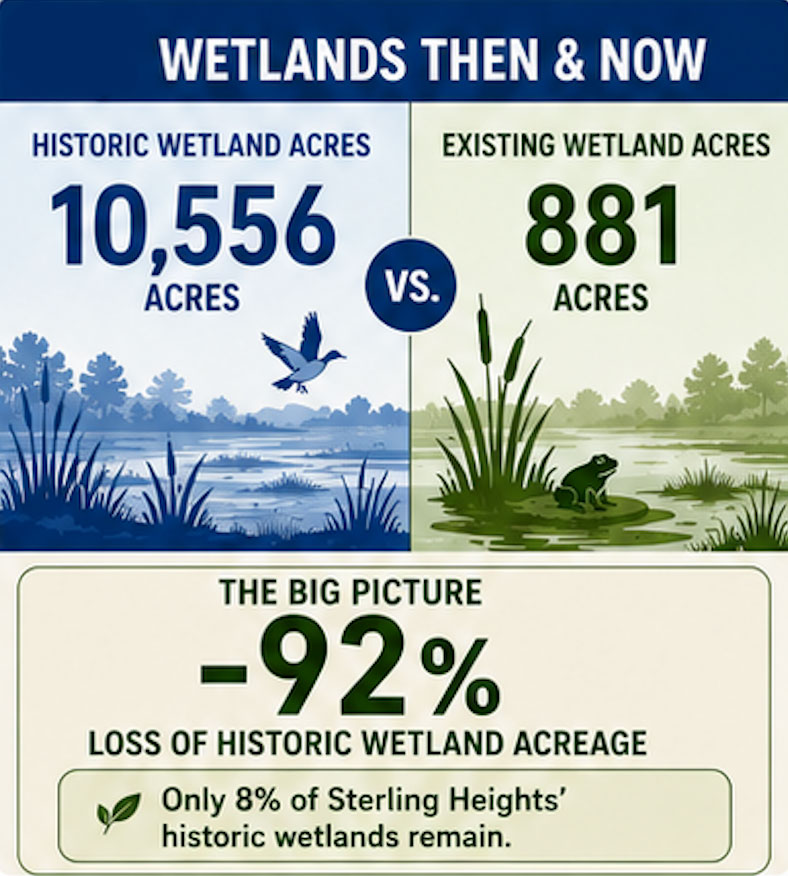
Without a transparent accounting of removals vs. planting, we are left to wonder:
are we destroying more than we are trying to plant?
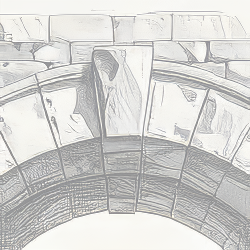
KEYSTONE SPECIES: Like an archway of bricks, the “keystone” is at the top center of the arch. Remove it, and the other structure collapses. Keystone species are named after this principle. They have a disproportionately large effect on their environment relative to their abundance.
🌳 Article: Oaks support more life-forms than any other North American tree genus!
Acorns
“Acorns” is where we will post news, updates, commentary, and stories – just like the acorns of our oak, nutrition for all.
Comments and tips on new information are welcome. Please subscribe to receive updates.
-

What does “preserve” mean to you in Sterling Heights?
Read more: What does “preserve” mean to you in Sterling Heights?It seems like an odd question. Most of us share a common understanding: to keep something in its…
-

A Small Win: BOA Denies Root-Zone Variance
Read more: A Small Win: BOA Denies Root-Zone VarianceOn September 14, the Sterling Heights Board of Ordinance Appeals unanimously denied a request to reduce the protected…
Help Protect the Sterling Heights
Chinquapin Oak
Subscribe here via email for updates posted on this website. Email addresses are kept private and never shared. Ever. Please check your inbox or spam folders to confirm your email after subscribing, otherwise you will not receive updates.
please consider signing the petition via the button
(You will be directed to the separate petition site at Change.org — please note that any funds donated there only go to Change.org promotions; no funds are received by the petition organizers.)
Protecting Michigan’s 7th Largest
Chinquapin Oak
(Quercus muehlenbergii)
Find answers to frequent questions about this oak and its preservation efforts.
AWARD-WINNING STORY IN THE PRESS THAT GREW ROOTS
The basic background of the project and the tree is covered well in this original C&G News / Sterling Sentry story by Andy Kozlowski: Centuries-old tree endangered by new development.
Our timeline details the property’s long history and related events.
This Chinquapin Oak (also spelled Chinkapin), a centuries-old natural asset to the area, is threatened by a housing development project in the North Van Dyke Corridor in Sterling Heights, Michigan (map). The 10-acre parcel includes many landmark trees, other regulated-size trees, multiple wetlands, and a riverine floodplain forest habitat. International Association of Arboriculture-backed estimates place the tree’s age well before the USA’s recent 250th birthday.


This is a question some officials have raised. However, it is a narrowly-focused view.
Not only is this tree unique for its age, reaching back to pre-colonial times and surviving mass clearings for farmland and development pressures over 200 years, but it is also an active partner in an ecosystem and, as a keystone species, supports hundreds, if not thousands, of other species. This “just a tree” thinking adds up in failing to properly account for its ecosystem role, and was confirmed by an independent arborist when the story was unfolding:
“I often refer to these kinds of trees as ‘landmarks’ due to their size, age and value. I would definitely consider this chinquapin to be a landmark — and a historic one, for that matter,” said Little. “We could plant 200 new trees today, but in our lifetime, we won’t see them doing what this chinquapin already does today.”
“The cool thing about mature trees is they’re like a mother to all the surrounding trees and wildlife,” Little said. “You may have heard of the mycelium network — an underground fungal network uniting all trees, where they communicate with each other with their roots and send nutrients to each other. If one tree needs a bit of nitrogen because of loss during a storm, the surrounding oaks can send nitrogen to that tree. And large mature trees like this chinquapin provide so much.”
~ Arborist Evan Little to Sterling Sentry, May 9, 2025
Additionally, many view the selloff of the Riverland Park property as a significant departure from how the land purchase was originally presented. Public land was advertised and purchased with taxpayer dollars for “park improvements,” with no mention of a massive housing development taking its place, all happening while advertising a tax millage to protect land from private development.
This situation is another powerful example of how political influence, insufficient review, and biased framing can overshadow ecological science and nature protection, especially as greenwashing and mistrust of institutions rise.
Providing housing offers many benefits, of course, and is often used to justify sacrificing this last remaining green space (and a majority of the natural assets with it) on North Van Dyke Avenue. History shows this as a repeating pattern of prioritizing development, with 92% of our wetlands already lost.
Just as trees require “the right tree for the right place” considerations in planting, housing should, too. The Sterling Oak and the surrounding natural features are broader symbols of development pursued without sufficient regard for what is permanently lost
History demonstrates that environmental justice issues arise when the affordability crisis pushes affordable housing into high-risk floodplain areas where land is cheap. People in need of affordable housing then accept the risks of being in a high-risk flood zone, long after the ribbon cuttings.
Multiple studies emphasize that flood mitigation is best achieved, and most cost-effective, by leveraging existing natural assets. Assets that aren’t easily replaced without more expensive grey infrastructure (sewer expansions, storage, basins, etc.). These aspects aren’t given a thorough review when development presentations present a one-sided bias toward the positives while minimizing or obscuring the negatives and risks.
Tax millages, city plans, consultant recommendations, and officials’ rhetoric all emphasize the critical need to protect our declining green spaces and landmark trees, underscoring the truism that actions speak louder than words.
No — not if the word is being used in its ordinary meaning or in the way preservation is generally understood in Michigan planning. A reasonable reader would ordinarily understand preserved to mean retained/protected, not excavated & compacted by heavy equipment to be later left as open space.
City officials and planning documents have repeatedly described most of this parcel as being “preserved as open space.” Earlier statements said, “This development includes 10.5 acres, of which eight acres will be preserved as open space,” while the revised 2026 Council packet now states that “over 9 acres of open space will be preserved.”
But these statements conflate two very different things: land that will remain classified as open space after development, and existing natural land that will actually be preserved from disturbance. The project plans show clearing, tree removal, excavation, compensating cut-and-fill, grading, and subsequent restoration or revegetation extending well beyond the building and parking area.


That distinction is not merely semantic.
In ordinary usage, to preserve something means to protect it from harm or destruction or keep it intact. In Michigan planning practice, preservation is likewise associated with retaining natural resources and undeveloped conditions, and the Michigan Association of Planning (MAP) — the professional organization from which Sterling Heights has repeatedly received and publicly celebrated planning awards — expressly distinguishes preservation from restoration.
Land that is cleared, excavated, filled, or graded and then seeded or restored may ultimately remain open space, but describing the preexisting land itself as “preserved” gives a reasonable reader, and voting member of a commission or our city council, a materially different impression of what will happen to the site. Ecologically, this disturbance can substantially affect the health of remaining trees and wetlands, often not witnessed until years later.
A more accurate description would be that much of the parcel may remain designated as open space after construction, while a substantially smaller portion of the existing natural landscape will remain undisturbed. The City has not yet provided that undisturbed-acreage figure.
This FAQ makes no claim about the intent behind the wording. But when “open space” and “preserved” can create very different impressions of what will physically happen to the land, why not state the disturbance acreage plainly in public summaries?
Beyond development, keystone oak species already face threats from disease and climate change. The Sterling Oak remains healthy and vibrant, surviving centuries of risks. While currently listed as a species of Least Concern by the IUCN Red List, the IUCN also notes its future has risks:
“Additionally a major threat to Quercus muehlenbergii is climate change. Quercus meuhlenbergii is projected to lose 58.97% of its suitable habitat area by 2050 under the Hadley B1 Global Circulation Model/ scenario combination (Potter and Hargrove 2013).” – IUCN Red List
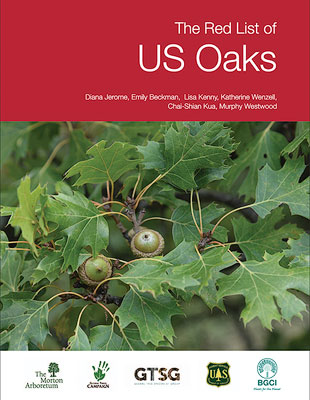
A threat assessment of oaks in the United States by the Harvard Morton Arboretum, USDA Forest Service, and others also flags our changing climate as a threat to oaks with added stressors.
The Sterling Heights City Council approved the concept development project plans in August 2024 by a 5-2 vote, despite significant public protest. The dissenting council members cited reasons to preserve green space, especially in light of a November 2024 Pathways to Play & Preservation tax increase, claiming that the goals included protecting green space from private development. A notable contradiction.
In August 2026, after failing to secure the necessary permits from Michigan EGLE because of existing wetlands, highlighted in 2017, and the proposed cut depths, the developer returned with a revised development plan: cut wider instead of deeper, build a smaller building, and shift away from the term “affordable housing.”
Given the publicity, it was proposed to make this oak a “protected tree,” but the details raised concerns, including requests to intrude into the ordinance-mandated critical root zone (CRZ) and concept renderings that promoted the tree as the centerpiece of a gathering place surrounded by gravel, an obviously poor environment for any tree’s health. In addition, the proposal calls for significant clearing into the Clinton River floodway, disturbing more habitat there. Still, the Sterling Heights Planning Commission unanimously approved the proposal with little pushback, except from residents.
This land still belongs to the City of Sterling Heights — the closing isn’t final yet! Your representatives on City Council could now legally change the course of this development.
The purchase agreement between the City of Sterling Heights and the Chaldean Community Foundation (dba CCF Development Grillo Limited Dividend Housing Association, LLC) requires the CCF to obtain permits and financing before final closing.
More than 2 years later — this hasn’t happened!
Concerned citizens, through petitions, emails, and numerous public comment sessions, have highlighted various concerns about the project.
As of March 2025, March 2026 July 2026, Sept 2026 the following conditions still need to occur:
- Michigan EGLE permit for Part 301/303 Inland Lakes & Streams / Wetlands Protection (numerous issues exist per the pre-meetings)
- Michigan State Housing Development Authority’s (MSHDA) disposition on funding and compliance with Environmental Review requirements (if still being pursued)
Or, based on further review and consideration of relevant facts not made clear during the initial votes and discussions, the Sterling Heights City Council and/or Chaldean Community Foundation can choose to work together to find a more suitable location with less destructive impact on the district’s last remaining natural features.
This is legally allowed per the purchase agreement as of Jan 1, 2026.
Write, Call, Stay Informed. Repeat.
Already, through the efforts of many residents who have spoken out, the city has recognized this tree’s importance. For many supporters, the Sterling Oak has also become a symbol of a broader and cumulative loss—the gradual disappearance of mature trees, wetlands, open land, and familiar natural places as development continues across the community.
Its uncertain future comes at a time when residents are being asked to invest more in preserving parks and natural spaces, while also watching publicly owned natural land remain vulnerable to development.
We believe stewardship of public land should reflect the same care and responsibility residents are expected to show toward their own property.
Let’s give a voice to this majestic Chinquapin oak tree—and to all the others like it that don’t have one.
PLEASE MAKE THIS A PRESERVED PARK, KEEPING ALL OF ITS NATURAL ASSETS AND BEAUTY ALONG THE CLINTON RIVER.
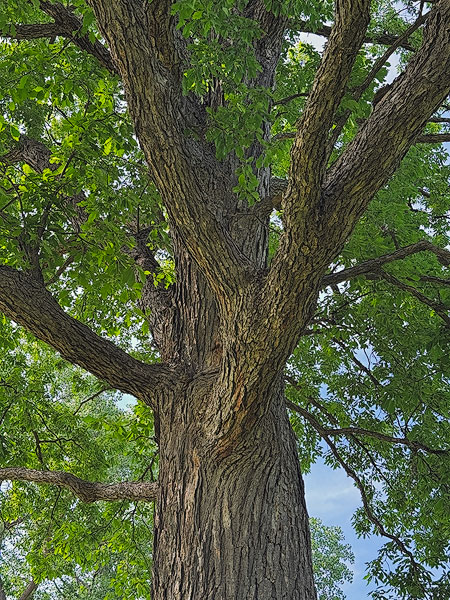
The tree stands – as it has for centuries – and hope persists until bulldozers and chainsaws arrive.
Thank YOU for caring and your support! 🌳
- Write/call Sterling Heights City Council: Contact Info
- Write/call Sterling Heights City Management: Contact Info
- Contact Local Journalists if you aren’t getting answers:
- C&G / Sterling Sentry Reporters: Andy Kozlowski | Gary Winkleman
- WXYZ TV: Demetrios Sanders
- Michigan Public Environment Report: Kate Furby
- Detroit Free Press Environmental Reporter: Keith Matheny
- Detroit News Environmental Reporter: Carol Thompson
- Detroit News Macomb County Reporter: Anne Snabes
- MLive Environmental Reporter: Lucas Smolcic Larson
- Michigan Bridge Environment: Kelly House
Comments, questions, tips? Please reach out.